

How Much Does uPVC Door Repair Cost?
Repairing a upvc door can differ greatly based on the size, location and how long it takes. It also varies depending on whether repairs or replacements are the preferred option.
Door handles that fall off are usually an indication of a damaged gearbox that is on your uPVC doors. They should be repaired by an expert.
Cracks
uPVC door cracking can occur over time. This is usually due to normal wear and tear or changes in temperature. These cracks can be quite unappealing and can even be a security risk. Fortunately, the majority of the time, this kind of problem can be fixed relatively easily with a uPVC door repair kit.
This will allow you to fill the crack and then grind it down to form a smooth surface once it has dried. This will then help to restore the integrity of the uPVC and also prevent any further damage from occurring. However, it is important to be aware that this method of repairing a cracked uPVC door will only be a temporary fix and should be carried out as soon as possible to limit the risk of further damage.
It is important to use a professional that has the experience of replacing and fixing uPVC door panels as they will be able to handle these kinds of issues efficiently. You can determine the amount of experience that a professional has by check their social websites and profiles on social media. This will give a good indication of the quality of their work as well as how satisfied their past clients have been.
double glazed window repair of the main things that determines how costly a uPVC repair is likely to cost is the severity of the damage done to the uPVC. The more extensive the damage is the more material will be required to repair it. This will increase the overall cost of the repair.
Another thing that could cause an uPVC door repair bill to be higher is the complexity of the work that needs to be carried out. This is because more complicated repairs require specialist tools in order to be completed properly.
It is likely that the work will require re-aligning or replacing hinges. This type of work is difficult and should be left to experts.
Snags
If your uPVC door is in a state of snag It's essential to fix it quickly. This will ensure that your home is secure and that intruders won't be able to gain entry through the front or back of your property. Use a filler or adhesive that is made for uPVC doors to repair the scratch. If your uPVC door has been damaged in a significant way or is very old, it may be better to get a professional to fix it.
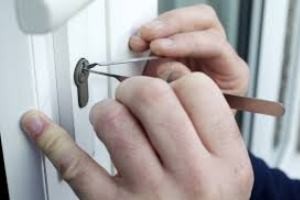
The lock mechanism is the most common problem in a uPVC knot. It is prone to becoming unbalanced over time or become loose. In this case, the door will be difficult to unlock and the key may even not fit. This issue can be solved. A professional can re-align the hinges and rollers, as well as the latch to ensure that they're all operating correctly. They can also lubricate the hinges as well as rollers to reduce friction and facilitate door movement.
The lock's cylinder might not be working correctly. The cylinder must be replaced if a key will not fit inside it or the door doesn't lock properly. It's an easy process, but you should leave it to a professional.
Repair costs can vary widely based on the type of damage and its severity. However, there are general guidelines to follow when trying to estimate how much this work will cost.
The cost of the uPVC repair depends on the severity and type of damage as well as any other materials required to complete the task. For instance, if a door needs to be painted this can increase the overall cost.
A professional will have access to high-quality materials and tools that are specially made for uPVC repairs, which will ensure that the surface repaired will match the existing finish flawlessly. This will stop the issue from recurring in the future. Furthermore an expert can complete repairs faster and more efficiently than a homeowner would be capable of doing on their own.
Leaks
Leaks are a frequent issue for windows and doors made from upvc. They aren't always due to a damaged or damaged rubber seal. They could be caused by debris in the drainage ports. These are small slots that direct water away from your frame. It is very important to keep them clean as they can be easily blocked by dirt. Pour water into the drainage ports to see whether they are free of obstruction. It is best to test each one separately to determine which one is blocked.
To do this, you'll need to identify your drainage ports. These are a series of holes at the bottom of your frame these are designed to drain rainwater or condensation. They should be able to be opened and closed with a screwdriver, once they are open, you can then make use of the screwdriver to move within them and clean any debris that might have built up. You can also use a vacuum cleaner with a thin nozzle to help clean them.
Another issue that could be causing leaks is a cill which isn't sitting properly. This needs to be lifted and pushed into place. You will need to be careful when doing this, as the seal attached to the cill could break if it is not done correctly.
To do this, contact the manufacturer directly and order a new seal, or you can cut a piece 25mm architrave to fit underneath the cill. This will stop any water from draining down into the rebate and it should also let the water drain to the outside, rather than towards. This is only a temporary solution as the cill might need to be replaced at some moment in the near future.
Damaged Hardware
As uPVC is a tough material, it's able to be resistant to damage from most forces. However, it can become scratched over time. If not treated, the damage could lead to water intrusion or a less secure home. Fortunately, this type of damage is easy to repair. Utilizing fillers and bonding agents made for uPVC it is possible to smooth out scratches. This will not only restore the appearance of your uPVC doors, but also allow it to maintain its structural integrity. At Foreman Snags, we make use of a range of specialist repairing materials to ensure that your uPVC doors are protected from further damage.
Door handles that are loose are another common problem with uPVC. This can happen over time, and is usually caused by damaged or loose screws that hold the handles in the correct position. This can be a difficult issue to tackle, as it can affect the way that the door operates. It is recommended to leave this type of repair to an expert.
You can also repair an unresponsive handle by performing some easy DIY. Find the screws that keep the composite handle in the correct position. These are normally located on the inside of the door and are protected with caps for aesthetic reasons. Once you've located them, remove the cap and unscrew handle. Then, you can replace the screw and tighten it to make sure it's secure.
A broken weather strip can also cause problems with uPVC door frames. This could allow cold air, moisture and even water into your home. It is important to inspect the weather stripping frequently to ensure it's in good shape and functioning properly. If it's not, replace it with a fresh piece of weather stripping.
If you're experiencing any of these problems, it's crucial to fix them as soon as you can. Otherwise, the damage may grow or your door won't close properly. Be aware that only a professional has the experience and expertise to solve these problems and prevent any further damage or complications.